



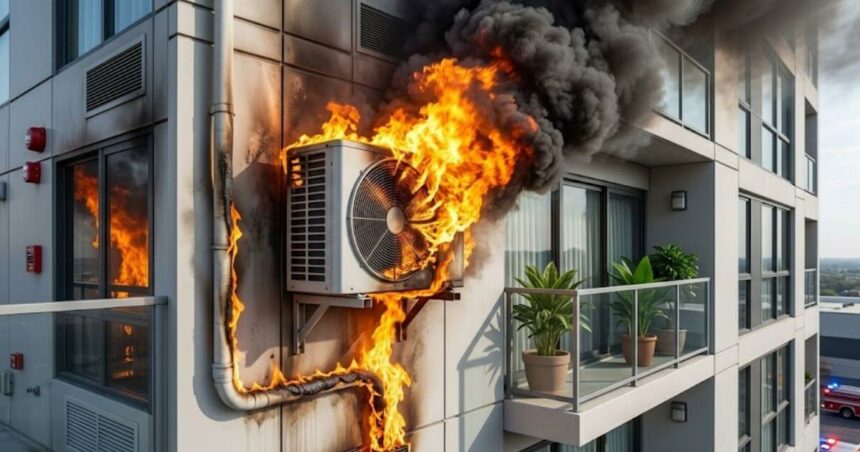
Air conditioners have become a necessity in most Indian homes, especially during extreme summer heat. In cities like Delhi-NCR, where temperatures rise sharply, ACs often run continuously for hours. While they provide relief from the heat, they also come with certain safety risks if not maintained properly.
- Why AC Blasts Happen During Summer
- Poor Maintenance Is One Of The Biggest Reasons
- Refrigerant Leaks Can Become Dangerous
- Faulty Wiring And Electrical Overload
- Running ACs Nonstop Adds Pressure
- Outdoor Unit Ventilation Is Often Ignored
- Burning Smell And Strange Noises Should Never Be Ignored
- Voltage Fluctuations During Summer
- Improper Installation Is Another Hidden Risk
- How To Reduce AC Fire Risks
- Conclusion
Over the years, several incidents of AC blasts and fire accidents have been reported across different cities. Although such cases are not extremely common, they usually happen due to avoidable reasons. In most situations, the problem builds up slowly over time because of poor maintenance, faulty installation, or electrical issues. With summer temperatures increasing every year, experts believe awareness and preventive care are more important than ever.
Why AC Blasts Happen During Summer
More Read

Air conditioners work harder during peak summer. The longer they run, the more pressure is placed on compressors, wiring, and cooling systems. If small problems remain unnoticed, they can quickly become dangerous. Overheating, refrigerant leaks, blocked airflow, or electrical overload can increase the risk of fire or compressor failure.
In most cases, AC blasts are not sudden random events. Warning signs usually appear much earlier, but many people ignore them.
Poor Maintenance Is One Of The Biggest Reasons
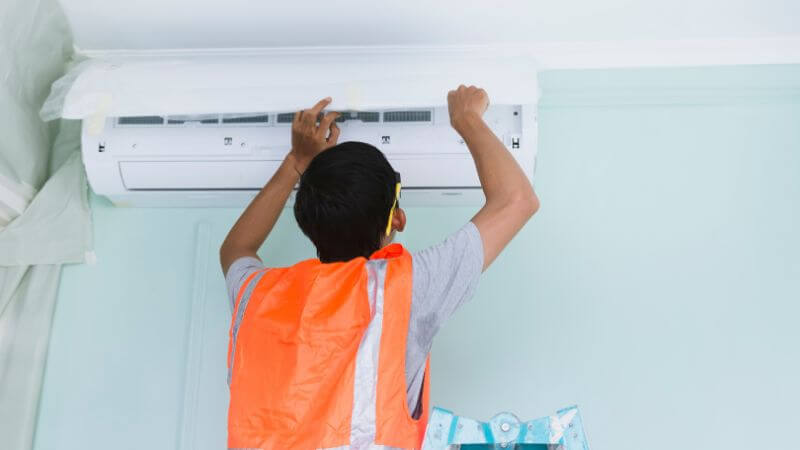
Skipping regular servicing is among the most common causes behind AC overheating.
Over time, dust starts collecting inside filters and coils. This reduces airflow and forces the compressor to work much harder than normal. As internal pressure rises, the system starts heating excessively.
Some common maintenance-related issues include:
- Dirty air filters restricting airflow
- Dust buildup inside coils
- Compressor overheating
- Reduced cooling efficiency
- Increased internal pressure
Experts recommend cleaning filters every few weeks and getting professional servicing done at least once or twice a year.
Refrigerant Leaks Can Become Dangerous
Modern AC refrigerants are generally safe when used properly. However, problems begin when low-quality or fake refrigerants are used during servicing.
Improper gas refilling or leaks near faulty electrical systems can increase fire risks significantly.
Some early warning signs of refrigerant leakage include:
- Weak cooling performance
- Hissing sounds
- Ice formation on pipes
- Unusual smells
Ignoring these signs can eventually damage the compressor and create hazardous situations.
Faulty Wiring And Electrical Overload
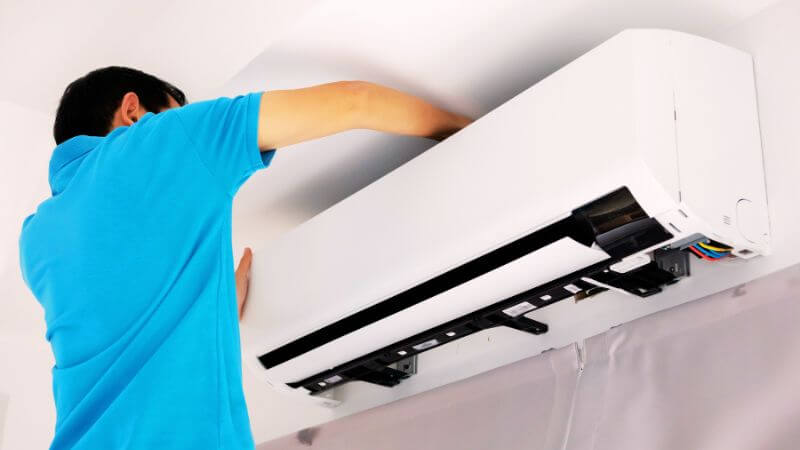
Electrical faults remain one of the biggest reasons behind AC fires in apartments.
Air conditioners consume heavy electricity, especially during extreme summer heat. If wiring quality is poor or the power load is not handled properly, wires can overheat rapidly.
Common electrical risks include:
- Loose wiring connections
- Short circuits
- Cheap extension boards
- Undersized cables
- Overloaded sockets
- Low-quality stabilizers
Experts strongly recommend using dedicated power lines, proper earthing, and certified electricians during installation.
Running ACs Nonstop Adds Pressure
During heatwaves, many households keep their ACs running continuously for long hours. While modern ACs are designed for extended use, nonstop operation still puts additional stress on internal components.
This can lead to:
- Compressor overheating
- Faster wear and tear
- Increased pressure buildup
- Higher malfunction risks
Older AC units become especially vulnerable under prolonged heat conditions.
Outdoor Unit Ventilation Is Often Ignored
The outdoor condenser unit also needs proper ventilation to function safely. However, many people unknowingly block airflow around it.
Some common mistakes include:
- Installing units in cramped spaces
- Covering condenser vents
- Allowing heavy dust accumulation
- Blocking airflow with objects nearby
Poor ventilation traps heat around the compressor and forces the system to work harder.
Burning Smell And Strange Noises Should Never Be Ignored
In many cases, AC systems show warning signs before a major failure happens. Unfortunately, people often continue using the unit without checking the issue.
Important warning signs include:
- Burning smell
- Smoke
- Loud vibrations
- Unusual noises
- Frequent power trips
- Weak cooling
Experts say these symptoms may indicate serious electrical or compressor-related problems and should be checked immediately.
Voltage Fluctuations During Summer
Summer electricity demand often causes unstable voltage supply in many areas. Frequent fluctuations and sudden surges can damage sensitive AC components.
This becomes even riskier for older AC systems without proper stabilizer protection.
Voltage issues may lead to:
- Compressor damage
- Circuit failure
- Sudden shutdowns
- Overheating problems
Using a good-quality stabilizer can help reduce these risks significantly.
Improper Installation Is Another Hidden Risk
Unsafe installation practices also contribute to many AC-related accidents.
Some common installation mistakes include:
- Incorrect wiring
- Weak mounting brackets
- Improper refrigerant filling
- Incorrect gas pressure
- Poor drainage setup
Experts recommend installation only through trained and certified professionals.
How To Reduce AC Fire Risks
Preventing AC-related accidents is mostly about regular care and safe usage practices.
Here are some important safety tips:
- Service ACs before summer starts
- Clean filters regularly
- Use proper stabilizers if required
- Avoid nonstop operation for very long hours
- Ensure proper ventilation around outdoor units
- Replace damaged wiring immediately
- Turn off the AC if unusual smells or sounds appear
Even simple precautions can significantly reduce risks during extreme heat conditions.
Conclusion
Air conditioner blasts and fire incidents may be rare, but they are usually preventable. Most accidents happen because warning signs are ignored or maintenance is delayed for too long.
As temperatures continue to rise, AC systems are working harder than ever before. This makes proper servicing, safe installation, and responsible usage extremely important.
A well-maintained AC not only cools better but also operates more safely. Taking small preventive steps today can help avoid major accidents tomorrow.
Follow Us: Facebook | X | Instagram | YouTube | Pinterest