



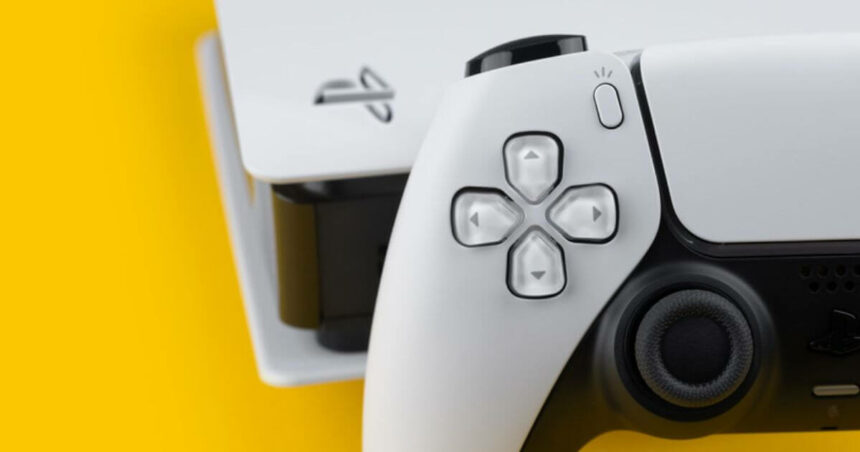
Sony may not have officially announced the PlayStation 6 yet, but speculation around the next-generation console is already heating up. A fresh leak now suggests that the upcoming console could bring a significant leap in memory capacity and bandwidth, potentially reshaping how games are built and experienced.
The PlayStation 5 is nearing its sixth year in the market. In 2024, Sony indicated that the console had entered the latter stage of its life cycle. While there is no confirmed successor yet, it appears that early development of the next PlayStation console is already underway behind closed doors.
PlayStation 6 Memory Could See A Massive Boost
More Read

According to well-known hardware leaker KeplerL2, Sony is reportedly experimenting with memory configurations far more powerful than current PlayStation hardware. The most eye-catching claim is that the PlayStation 6 could ship with up to 30GB of unified memory.
For context, both the current PlayStation 5 and the newer PlayStation 5 Pro come with 16GB of unified memory. The PS5 Pro improves on bandwidth and flexibility for developers, but capacity remains the same. A jump to 30GB would represent nearly double the current memory size.
Such an increase would allow developers more freedom when designing complex environments, massive open worlds, and detailed character models.
GDDR7 Modules And New Memory Layout
The leak suggests that Sony may be using 3GB GDDR7 memory modules arranged in a clamshell configuration. These modules are reportedly paired with ten 16-bit memory channels.
This kind of setup would help Sony achieve higher total capacity without relying on unusually large single memory chips. It also indicates that the company may be planning a smarter hardware architecture rather than just brute-force upgrades.
GDDR7 itself is expected to offer higher efficiency and improved speeds compared to previous memory generations. If this becomes reality, it could mark a noticeable leap in gaming performance.
Bandwidth Reportedly Reaching 640GB Per Second
The rumoured configuration includes a 160-bit memory bus combined with 32Gbps memory chips. If accurate, this would result in a total memory bandwidth of around 640GB per second.
To understand the jump, the standard PlayStation 5 offers 448GB per second of bandwidth. The PlayStation 5 Pro improves this to 576GB per second. A move to 640GB per second would be a meaningful upgrade.
Higher bandwidth directly impacts how quickly the system can move data between memory and the GPU. This means faster texture loading, smoother rendering of large scenes, and reduced stutters during intense gameplay sequences.
What This Could Mean For Games
If the PlayStation 6 (PS6) really does feature 30GB of unified memory and significantly higher bandwidth, developers could push game design further.
Open-world titles could feature denser cities and more detailed landscapes. Ray tracing and lighting systems could operate with fewer compromises. AI systems might become more advanced, reacting dynamically in complex environments.
Shorter loading times and more seamless transitions between areas could also become standard. While solid-state drives already reduced load screens in the current generation, improved memory could further smooth the overall experience.
Still Early Days For Sony’s Next Console, PS6
Despite the growing wave of rumours, Sony has not confirmed the PlayStation 6. There are no official specifications, no launch date, and no announcement timeline.
Recent reports suggest Sony could extend the PlayStation 5’s lifespan to at least eight years. If true, the next PlayStation may not launch before 2028 or even later.
This would give Sony ample time to refine the hardware architecture and ensure that the next console delivers a clear generational leap rather than an incremental upgrade.
Comparison Of Current And Rumored Specifications
| Feature | PlayStation 5 | PlayStation 5 Pro | Rumoured PlayStation 6 |
|---|---|---|---|
| Unified Memory | 16GB | 16GB | Up to 30GB |
| Memory Type | GDDR6 | GDDR6 (Higher Bandwidth) | GDDR7 (Expected) |
| Memory Bus | 256-bit | 256-bit | 160-bit (Rumoured) |
| Bandwidth | 448GB/s | 576GB/s | ~640GB/s |
| Launch Year | 2020 | 2023 | Possibly 2028+ |
It is important to note that these PlayStation 6 details are based on leaks and speculation, not official confirmation.
The Bigger Picture
Every console generation is defined by two things. Hardware capability and developer creativity. If Sony truly increases unified memory close to 30GB and improves bandwidth beyond 600GB per second, it could open the door to more ambitious game design.
However, hardware is just one part of the story. Backward compatibility, ecosystem integration, and exclusive titles will play equally important roles in defining the next generation.
Sony has traditionally taken a measured approach to generational shifts. When the company does finally unveil the PlayStation 6, expectations will be high.
Final Thoughts
The latest leak paints an exciting picture of what Sony’s next-generation console, Playstation 6, could look like. A near-doubling of memory and faster data transfer speeds would mark a significant jump over current hardware. That said, nothing is official yet.
For now, the PlayStation 5 remains Sony’s primary focus. But if these early details turn out to be accurate, the next PlayStation could redefine performance standards once again. All eyes remain on Sony as the gaming industry waits for the next big reveal.
Follow Us: Facebook | X | Instagram | YouTube | Pinterest