



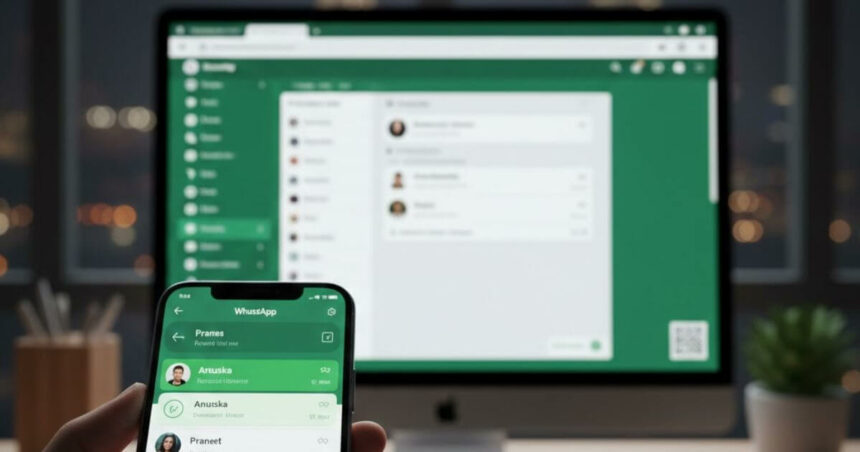
The Indian government has announced a major policy change that will completely alter how messaging apps work in the country. WhatsApp, Telegram, Signal, and several other popular apps have now been ordered to implement SIM binding within 90 days. And if you rely on WhatsApp Web or use multiple devices, this update is going to impact your daily routine in a big way. Here’s everything you need to know about the mandate and why users across India are worried.
The Department of Telecom sent out orders to WhatsApp, Telegram, Signal, and a bunch of other apps. The message is simple: implement SIM binding, or face the music. They have got 90 days to make it happen.
What Is SIM Binding?
More Read

Right now, you register WhatsApp with your number once. After that? You are free. Remove your SIM, put it in another phone, use WhatsApp on Wi-Fi: it doesn’t matter. The app just works. With SIM binding, your WhatsApp will constantly check if the SIM you registered with is actually in your phone. Take it out? App stops. SIM goes dead? No WhatsApp for you. Switch to a different SIM? Good luck chatting. It is basically like those annoying banking apps that make you send an SMS to verify everything. You know the ones. Paytm does this; most bank apps do this. Now, WhatsApp has to do it too.
Apps will check something called an International Mobile Subscriber Identity (IMSI). It’s a unique number in every SIM card. The government thinks this will stop scammers.
What About Web Users?

This one is going to hurt a lot of people. If you are like most office workers who keep WhatsApp Web open all day — and let’s be honest, who doesn’t — get ready for pain. Your session will die every 6 hours. Not kidding. Every 6 hours.
You will have to pull out your phone, open WhatsApp, and scan the QR code again. Then do it again in six hours. And again. And again. The government’s words:
“From 90 days after the issue of these instructions, ensure that the web service instance of the mobile app, if provided, shall be locked out periodically and allow the facility to re-link the device using a QR code.”
Customer support teams that live on the web? They are going to have a field day with this.
Which Apps Are Getting Hit?
Pretty much everything that uses your phone number:
- Telegram
- Signal
- ShareChat
- Josh
- Arattai
If it needs your mobile number to sign up, it’s on the list.
Who’s Getting Screwed The Most?
Let’s be real about who this hurts:
- People who switch phones often: You will need your main SIM in whichever phone you are using—no more flexibility.
- Tablet users: Got the app on your iPad and Android tablet? That’s probably dead unless WhatsApp adds new login methods.
- WhatsApp Web crowd: Already covered this. Every 6 hours. The real pain.
- Old phone users: Using WhatsApp on that old phone lying around? Not anymore, unless it has your active SIM.
Why’s The Government Doing This?
Their official line: it will reduce cyber fraud and keep people safe from scammers.
And look, there is probably some truth to that. Scammers do misuse WhatsApp. Fraud is very real.
But come on. This is going to annoy the hell out of 535 million Indian WhatsApp users. That’s not a small number. That’s bigger than the entire US population.
The Numbers Don’t Lie
India has around 535 million users. That makes it the biggest market anywhere in the world. Not the US, not Brazil.
Over 60% of Indian smartphone users open WhatsApp every single day. For many people, it has basically replaced SMS and phone calls.
WhatsApp Web became popular because people wanted to type on an actual keyboard rather than on phone screens. Now, that’s getting harder.
Is There Any Alternative?
Not really. When the government mandates something like this, companies have to comply. The company might add a new feature to make it less painful, such as better multi-device support or new verification methods. But the core requirement is not going anywhere unless the government changes its mind.
What Can You Actually Do?
Keep your main SIM active and in your primary phone. Don’t let it expire or go dead. If you use WhatsApp on multiple devices, start thinking about an alternative, or wait to see what WhatsApp does. Get used to scanning QR codes multiple times a day if you are a web user. Maybe keep your phone nearby at your desk. Don’t panic and switch to something else immediately. Wait to see how WhatsApp handles this. They are not stupid; they know this affects millions of users.
Conclusion
SIM binding is a massive change, and it will definitely disrupt how millions of people use WhatsApp and other messaging apps every day. While the government aims to reduce fraud, the impact on convenience is huge — especially for users who depend on WhatsApp Web or run the app on multiple devices. For now, the best move is to stay updated, keep your primary SIM active, and wait for WhatsApp’s official response. The next few months will show whether this policy becomes a long-term standard or if apps find smarter, user-friendly alternatives.
Follow Us: Facebook | X | Instagram | YouTube | Pinterest