


Deepinder Goyal is taking his interest in human physiology beyond conventional fitness tracking with Temple, a wearable designed to monitor changes in blood flow to the brain. The device is different from regular smartwatches and fitness bands, which mainly focus on activity, heart rate and sleep.
Temple has started attracting attention ahead of its commercial launch. Selected users have reportedly received early access invitations through the Temple app, giving them an opportunity to order the device before pre-orders open more widely. However, the company has yet to confirm the reported ₹85,000 price officially.
Temple Pre-Orders To Open On November 1, 2026

According to reports, Temple Batch 01 will become available for pre-orders on November 1, 2026. The first batch is expected to remain limited, with each device made by hand after an order is placed. Early access invitations have reportedly been sent to selected users. These invitations allow recipients to place orders through the Temple app ahead of the wider pre-order window.



The reported price of ₹85,000 includes a lifetime subscription to the platform. However, this amount should be treated as indicative until Temple confirms its final pricing and commercial terms. The number of devices planned for the first batch has also not been disclosed. Deepinder Goyal has previously indicated that customers should receive their devices within three months of placing an order. If that timeline holds, early buyers could have to wait several weeks before receiving their wearable.
The limited first batch suggests that Temple is initially focusing on a smaller group of customers rather than pursuing a mass-market launch.
What Is Deepinder Goyal’s Temple Wearable?
Temple is a wearable device designed to monitor changes in cerebral blood flow, or blood flow to the brain. The company calls the metric BrainFlow. Unlike conventional fitness trackers, which primarily measure physical activity, heart rate and sleep patterns, Temple focuses on physiological changes that may be associated with factors such as exercise, stress, sleep and caffeine consumption.
The device uses optical sensors to track changes in cerebral blood flow. Its aim is to help users understand how their bodies respond to different activities and daily conditions. Temple also generates an Entropy score ranging from 1 to 250. This score is intended to indicate physiological strain. Changes in sleep quality, exercise, stress levels and caffeine intake may influence the readings.
However, these measurements should not be confused with a medical diagnosis. Temple is positioned as a wellness and research product, rather than a medical device designed to diagnose health conditions. Its practical value will depend on how clearly the platform explains the readings and whether users can turn the collected information into meaningful changes in their daily routines.
How Does Temple Attach To The Head?
Temple uses a different design from wrist-based wearables. The device attaches to the side of the head with the help of adhesive strips called Grips. These strips are designed for single use. The attachment method allows the wearable to sit in the intended position for its optical sensors to monitor changes in cerebral blood flow.
This design also raises practical questions for potential buyers. Users will want to understand how comfortable the device is during extended wear, how reliably it stays in place and how frequently replacement Grips may be required. At the reported price, these everyday considerations could play an important role in the overall ownership experience.
Temple Wearable Colours
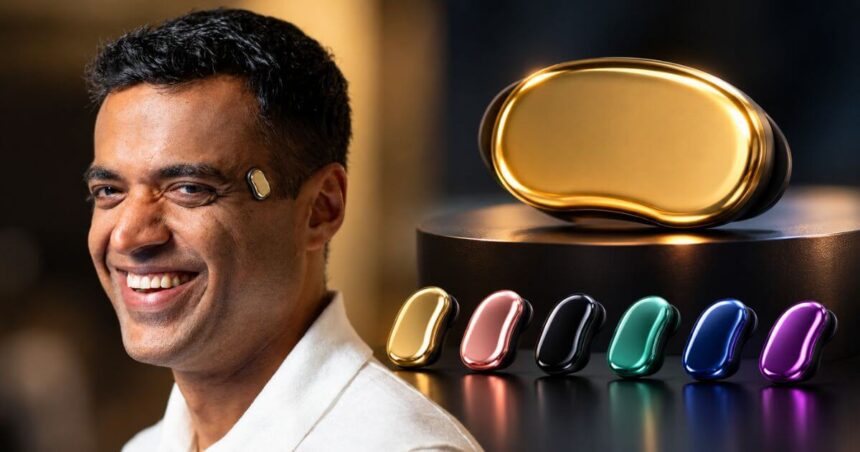
Temple is expected to be available in six colour options. These include True Gold, Rose Gold, Black Mirror, Real Jade, Deep Blue and Purple Funk. Real Jade, Deep Blue and Purple Funk have been described as limited-edition finishes. However, the availability of individual colours may vary during the initial batch.
The colour options suggest that Temple is being positioned as a premium personal wearable rather than a conventional fitness accessory. Buyers will need to check the Temple app for the finishes available when pre-orders open.
Temple Wearable: Expected Specifications And Details
The following table summarises the details available ahead of the commercial launch. Specifications and pricing that have not been formally confirmed by the company should be treated as provisional.
| Specification | Details |
|---|---|
| Product Name | Temple Wearable |
| Founder | Deepinder Goyal |
| Category | Brain Blood-Flow Monitoring Wearable |
| Pre-Order Date | November 1, 2026 |
| Initial Batch | Temple Batch 01 |
| Reported Price | ₹85,000 |
| Subscription | Lifetime Subscription Included, As Reported |
| Monitoring Technology | Optical Sensors |
| Primary Metric | BrainFlow |
| Additional Metric | Entropy Score |
| Entropy Score Range | 1–250 |
| Attachment Method | Single-Use Adhesive Strips Called Grips |
| Expected Colours | True Gold, Rose Gold, Black Mirror, Real Jade, Deep Blue, Purple Funk |
| Expected Delivery | Within Three Months Of Ordering, As Previously Indicated |
| Medical Status | Positioned As A Wellness And Research Product |
Conclusion
Deepinder Goyal’s Temple wearable is preparing for its first commercial release, with pre-orders for Batch 01 scheduled to open on November 1, 2026. The reported ₹85,000 price, including a lifetime subscription, places it firmly in the premium wearable segment.
Its focus on cerebral blood-flow monitoring sets it apart from conventional fitness trackers. However, the device will need to demonstrate that its BrainFlow readings and Entropy score offer useful, understandable insights in everyday life.
The reported price remains unconfirmed, and several details about the first batch are still unavailable. Buyers should therefore wait for Temple’s official pricing, availability and usage information before placing an order. Ultimately, the wearable’s success will depend on whether its technology delivers enough practical value to justify its premium price.
Follow Us: Facebook | X | Instagram | YouTube | Pinterest