



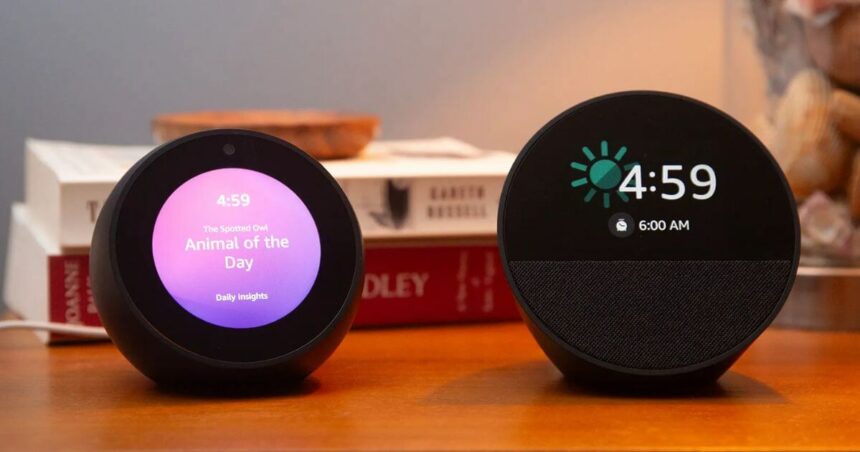
Amazon is quietly reshaping how users interact with Alexa+. Instead of focusing only on new features or smarter AI responses, the company is now addressing something more subtle but equally important: personality. With three new response styles, users can finally decide how Alexa talks to them. It may sound like a small tweak, but for people who interact with voice assistants multiple times a day, tone can significantly impact the overall experience.
The company has quietly rolled out three personality styles for Alexa+, letting users pick how the assistant actually talks to them. It is a small change on paper, but if you have ever had Alexa respond to a simple timer request with the enthusiasm of a game show host, you will understand why this matters. The three options are called Brief, Chill, and Sweet, and they are genuinely different from each other.
Alexa New Personalities

More Read

Brief
Brief is for the people who just want the answer. No warmth, no small talk, no sign-off. You ask, it answers, done. Amazon says responses in this mode are stripped down to the essential information. Think of it as Alexa with the pleasantries turned off. If you ask how it is doing, you might get something close to “operating efficiently,” which, honestly, some people will love.
Chill
Chill sits in the middle. The tone is relaxed and casual, less robotic than Brief, but nowhere near the bubbly energy of the default Alexa most people know. It feels like a low-key conversation rather than a customer service interaction. Good for everyday use without the theatrics.
Sweet
Sweet is what you already know. Warm, upbeat, and expressive, this is the classic cheerful assistant personality. If you or someone in your household actually enjoys the enthusiasm, this is the one. It is also probably the better fit if there are kids around who are used to talking to Alexa as if it were a friend.
How Amazon Actually Built These Personalities

t is not just different scripts. Amazon says the styles are tuned across five things: how expressive the responses are, how emotionally warm they feel, how formal or casual the language is, how direct the answers are, and how much humanity creeps in.
Dial those up or down in different combinations, and you get three personalities that feel genuinely distinct without changing anything about what Alexa can actually do. Your smart home controls, routines, and reminders all work exactly the same. The delivery just shifts.
Why Is This Worth Paying Attention To?

Voice assistants have had one personality for years. You got what you got. The fact that Amazon is now letting users tune the conversational tone is a sign that the company is taking the daily-use experience more seriously.
For a lot of people, Alexa is something they interact with dozens of times a day. Over time, a tone that does not match how you actually talk or how you want to be spoken to creates low-level friction. Brief mode in particular could make a real difference for users who find overly chatty AI responses distracting or just annoying.
Conclusion

Alexa’s new personality options may not change what the assistant can do, but they absolutely change how it feels to use. And in products that rely on daily interaction, feeling matters.
By offering Brief, Chill, and Sweet modes, Amazon is acknowledging that AI assistants should adapt to users, not the other way around. If tone customization becomes standard across voice assistants, this could be the beginning of a more personalized AI experience in every home.
Follow Us: Facebook | X | Instagram | YouTube | Pinterest