

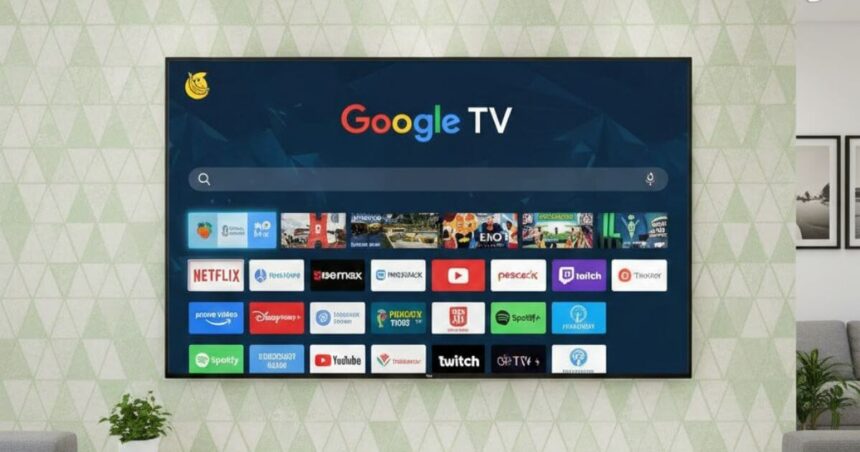
Smart TVs have mostly been about streaming, voice search, and bigger screens. But Google wants to push them much further. At CES 2026 in San Francisco, Google announced that its viral Nano Banana AI image-editing tool is coming to Smart TVs. With Gemini integration, voice controls, and photo remixing on the big screen, Google is turning living rooms into creative spaces, even if most TV owners don’t realise yet that this feature is heading their way later this year.
What Is Nano Banana?
More Read

Originally introduced as part of Google’s Gemini AI suite, Nano Banana, officially called Gemini 2.5 Flash Image, has taken the tech world by storm with its ability to transform ordinary photos into surprisingly detailed AI creations using simple, natural language prompts.
From converting portraits into adorable, toy-like 3D figurines to editing backgrounds or even replacing outfits, this tool quickly became a viral sensation across social media platforms. Its popularity helped push the Gemini app to number one on both the Apple App Store and Google Play Store late last year.
People used it to turn regular selfies into cartoon versions, change photo backgrounds, and create artistic effects without any design skills. The tool went viral because anyone can use it without training.
Big Screen, Bigger Possibilities
At CES 2026, Google confirmed that Nano Banana and its companion video model, Veo, will be integrated directly into Google TV via Gemini. This means users will soon be able to:
- Edit and remix photos from their Google Photos library
- Create brand-new AI visuals directly on the Smart TV
- Turn holiday pictures into fun custom artwork
- Enjoy voice-controlled adjustments to picture and sound settings
Yes, you can literally say “make this picture glow at sunset” or “enhance the lighting”, and the AI handles everything for you.
Voice Control And Smart Interaction Take Centre Stage
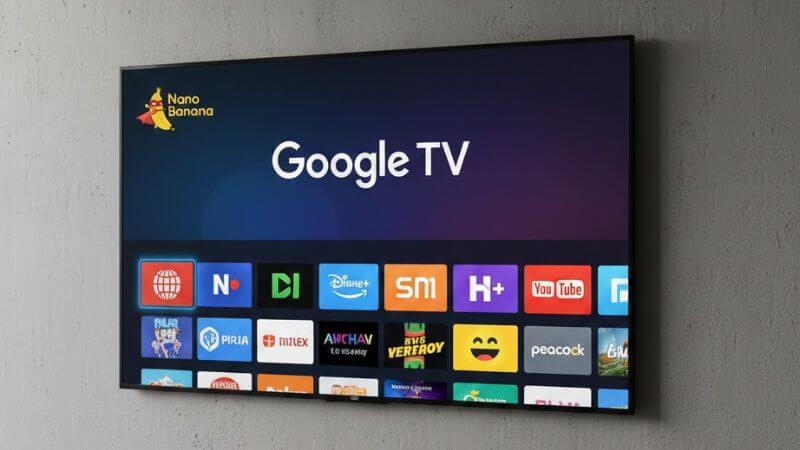
Beyond visuals, the updated Gemini experience on Google TV brings a much smarter assistant. Users can say things like “make the subtitles bigger” or “reduce background noise”, and the TV intelligently adjusts settings in real time.
This hands-free control makes navigating complicated TV menus a thing of the past.
Anyone who has struggled with TV settings knows the pain. You’re watching something, can’t read the subtitles properly, and then spend five minutes clicking through menus. Voice control solves that problem instantly.
On top of that, Gemini’s responses are becoming more visual and interactive, making the experience feel less like a command system and more like a conversation.
Market Statistics
- The global smart TV market was valued at approximately $220 billion in 2024 and is projected to reach $320 billion by 2030.
- Google TV currently powers over 150 million devices worldwide as of late 2025.
- The Gemini app reached number one on both the Apple App Store and Google Play Store in late 2025, recording over 50 million downloads in its first three months.
- Voice assistant usage on smart TVs increased by 65 percent in 2025 compared to 2024.
Conclusion
On paper, this sounds exciting. AI photo editing on a TV, powered by voice and Gemini intelligence, feels futuristic. But the real test will be how well it works in everyday homes. Editing photos on a television sounds great until you realise you still need a remote or phone to choose which image to work on.
That said, Google’s direction is clear. Smart TVs are no longer just screens for watching content. They’re becoming interactive, creative devices that the whole family can use. If Google manages to make Nano Banana feel effortless on the big screen, this could quietly become one of the most interesting smart TV updates in years.
Follow Us: Facebook | X | Instagram | YouTube | Pinterest