
You have probably come across a fake video or an edited image recently and paused for a second, wondering if it was real. Maybe it was a celebrity saying something strange or a viral clip that just felt off. The truth is, AI-generated content is everywhere now, and most people can’t tell the difference anymore. Deepfakes, edited photos, and entirely fake videos are spreading faster than ever. Google recognises this growing problem and has built a tool anyone can use. Through its Gemini app, Google now lets you check whether an image or video was created using its AI, thanks to a technology called SynthID. Here’s how it works and why it matters.
Why Do We Need This?
More Read

AI can now create videos and images that look completely real. Someone’s face appears in a video doing something they never did. Photos show events that never happened. The internet is full of this content, and it’s getting harder to know what’s genuine.
This is not just annoying; it causes real problems. People believe fake news. Innocent people get hurt by doctored videos. Companies lose money to fraud. We need ways to check what’s real, and fast.
What Is SynthID?
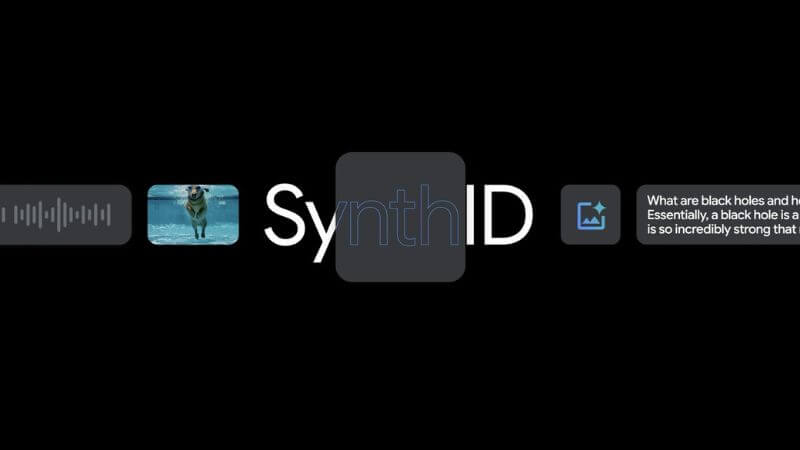
SynthID is Google’s AI watermarking technology. When Google AI creates an image or video, it plants invisible marks inside the content. You can’t see these marks with your eyes, but they can be detected using Google’s verification tools. Think of it as a secret signature baked into the file.
Here’s the clever part. These watermarks stick around, even when someone edits the content. Crop the image? The watermark stays. Add filters? It’s still there. Compress the video? The watermark survives. This durability makes SynthID useful in real-world situations, not just labs.
Google says it has watermarked over 20 billion pieces of AI-generated content since launching the technology in 2023. That’s a massive amount of synthetic content already floating around.
How To Verify Content On The Gemini App?
Get The Gemini App
First, download and open the Gemini app on your phone. Make sure it is updated to the latest version. The verification feature works in all languages and countries where Gemini is available.
Upload Your File
Tap to upload the image or video you want to check. For videos, keep the file under 100MB and shorter than 90 seconds. The upload process works like sending a photo in a messaging app.
Ask Your Question
Just type or say, “Was this made with Google AI?” or “Is this AI-generated?” You don’t need special keywords. Gemini understands normal questions.
Now Check Your Answer
Gemini scans the content for the SynthID watermark. For videos, it checks both the visuals and the audio. You will receive clear information in response.
How Does The Watermark Actually Work?
The watermark is embedded during creation, not added later. It’s woven into the pixels of images and the frames of videos. For videos, the watermark exists in both what you see and what you hear.
These marks aren’t fragile. They are designed to survive everyday actions like sharing, downloading, editing, or reposting across platforms. The watermark adapts as the content changes, which helps keep it detectable even after modifications.
The Limits You Should Know
This tool only works for content made using Google’s AI. If someone used another company’s AI generator, this system won’t detect it. It also can’t verify content created before SynthID launched in 2023.
The 100MB and 90-second limits mean longer videos need trimming or compression. And if no watermark is found, the tool can only say that it didn’t detect Google AI usage. It can’t confirm whether the content is real or made using a different AI.
Conclusion
This tool is genuinely useful, even if it isn’t perfect. I like that Google made it free and easy to use. Anyone can check suspicious content without technical skills. The fact that the watermark survives editing makes it practical for everyday use.
That said, the limitations stand out. Since it only works with Google-generated content, there’s still a large gap when it comes to material created using other AI tools. I honestly wish more major AI companies would adopt similar systems, so verification could be more comprehensive.
Still, this is a solid first step. We now live in a world where seeing is no longer believing, and tools like this help bring back some accountability. It’s worth bookmarking and using regularly, especially before sharing content that feels questionable.
Follow Us: Facebook | X | Instagram | YouTube | Pinterest